PORTLAND, OR (December 2025) — The global appetite for plant-based proteins is transforming agriculture, trade, and consumer markets. The sector is projected to reach $43 billion by 2034,1 nearly doubling from today’s value as more consumers seek protein sources that are both sustainable and affordable. Within that growth, pea protein stands out as one of the fastest-rising ingredients, forecast to climb at nearly 20% annually to surpass $15 billion by 2034.2
This accelerating shift—from livestock to legumes—is rippling through commodity futures, crop rotations, and consumer habits alike. For American growers, processors, and exporters, it represents both opportunity and recalibration.
“Plant-based demand is no longer a niche trend; it’s a structural transformation in how the world sources and consumes protein,” said Kurt Haarmann, President and CEO of Columbia Grain International (CGI), a leading U.S. originator and processor of grains, pulses, oilseeds, and specialty crops serving global food and feed markets. “As the market matures, quality, traceability, and logistics are replacing novelty as the competitive edge. That’s where our network and infrastructure provide real value.”
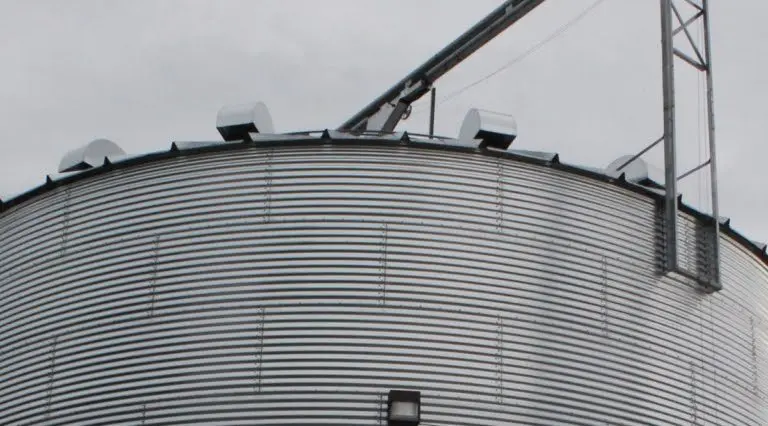
Founded in 1978, Columbia Grain International operates more than 60 elevators and processing facilities across the U.S. Northern Tier, connecting over 8,000 growers to global food and feed markets. The company sources, cleans, grades, processes, and exports pulses such as peas, chickpeas, and lentils—ingredients now essential to plant-based foods and protein powders. Its integrated logistics and supply-chain operations allow CGI to move product efficiently from field to consumer markets across Asia, Europe, and North America.
With futures for traditional row crops like soybeans showing volatility tied to weather and trade conditions, pulses are emerging as a resilient alternative for both growers and processors. According to the U.S. Department of Agriculture, total planted acreage among major field crops is expected to decline gradually over the next decade, with only soybeans projected to increase modestly after the 2025–2026 crop year. This shift underscores the expanding role of pulse crops in balancing production portfolios and meeting diversified market demand.3
“Growers and ingredient producers alike are watching global demand, and they recognize that pulses align perfectly with modern nutrition and sustainability goals,” Haarmann said. “CGI’s strength is translating that demand into reliable supply—ensuring American pulses reach brands and consumers everywhere.”
Industry observers echo that sentiment. The Good Food Institute reports that U.S. retail sales of plant-based foods grew 6% in 2023, outpacing the broader grocery sector.4 Bloomberg Intelligence forecasts plant-based foods could represent 7.7% of the global protein market by 2030, adding momentum to investments in pulse processing and logistics.
As interest in pea and pulse proteins filters through futures markets, investors are taking note of the role infrastructure will play in scaling supply. Haarmann views it as an inflection point. “The U.S. pulse industry has the acreage, expertise, and transportation backbone to lead the world in sustainable protein ingredients,” he said. “Columbia Grain is committed to building that bridge—from the farm gate to the functional food aisle.”
Through expanded processing capabilities, technology integration, and long-standing farmer relationships, CGI is positioning itself as a cornerstone of the modern protein economy—anchoring a supply chain that supports both agricultural resilience and consumer choice.
Hear Haarmann talk more about the year ahead for the ag industry, pulses and more on the Thursday, December 4th, 2025 episode of Agriculture of America (AOA). Hear the podcast version below: