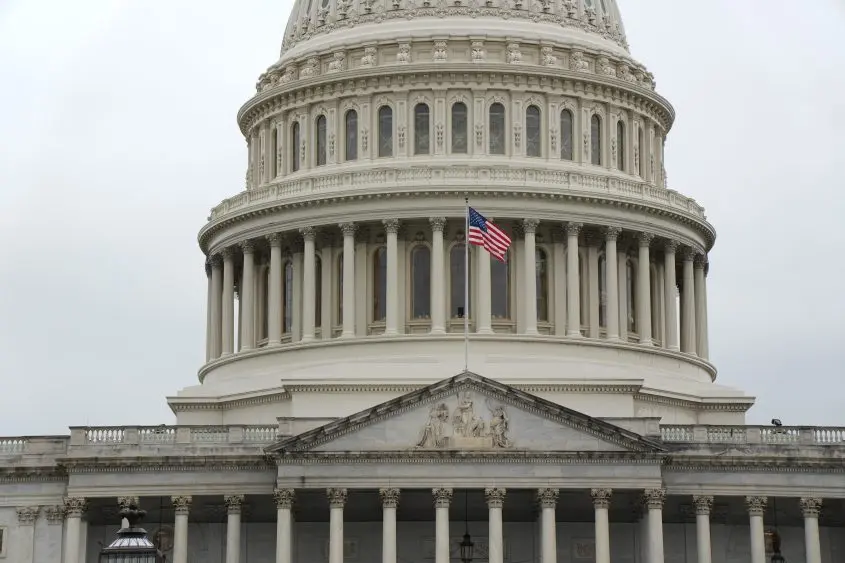
Congress returns this week with major agriculture issues dominating the agenda, including fertilizer costs, biofuel policy and farm economic concerns.
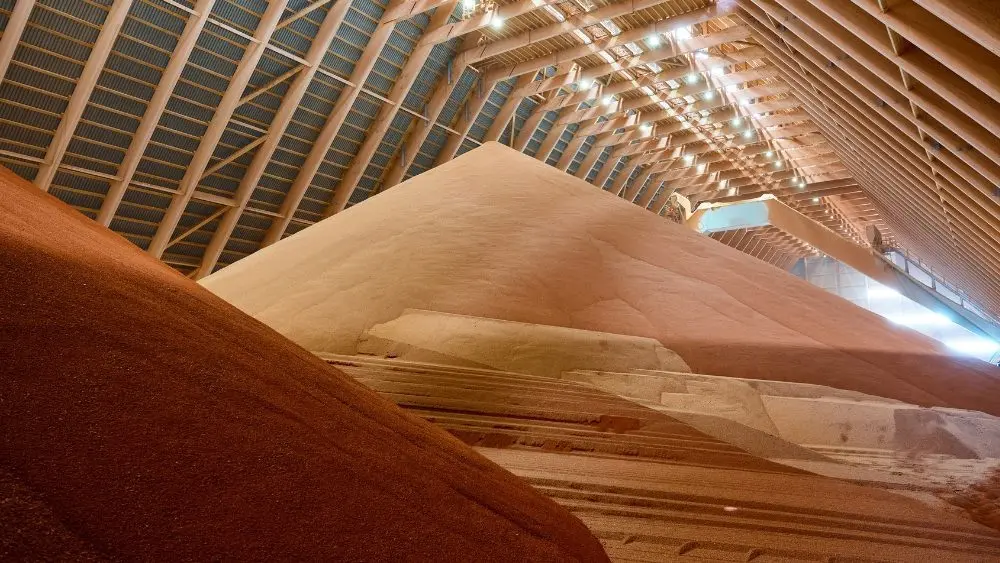
The Senate Agriculture Committee is expected to review fertilizer supply challenges as farmers continue facing elevated input prices tied to global supply disruptions and trade uncertainty. The Fertilizer Institute president and CEO Corey Rosenbusch will testify Tuesday before the Senate Committee on Agriculture, Nutrition, and Forestry during a hearing titled, “Perspectives on the Fertilizer Industry: Ensuring a Stable and Affordable Supply for American Producers.”
Rosenbusch will testify that the U.S. fertilizer industry supports market transparency and continued efforts to provide farmers and policymakers with timely and reliable information about fertilizer markets and supply chains. “Farmers are facing economic pressures and uncertainty across agricultural markets,” said Rosenbusch. “The fertilizer industry is proud to work every day to ensure growers have access to the fertilizers they need, exactly where and when they are needed. Improved data sharing and market visibility can better inform farmer decisions while also strengthening supply chain resiliency.” Rosenbusch’s testimony is set to underscore the highly competitive nature of the U.S. fertilizer industry and the importance of maintaining a strong domestic production base while recognizing the realities of a global marketplace.
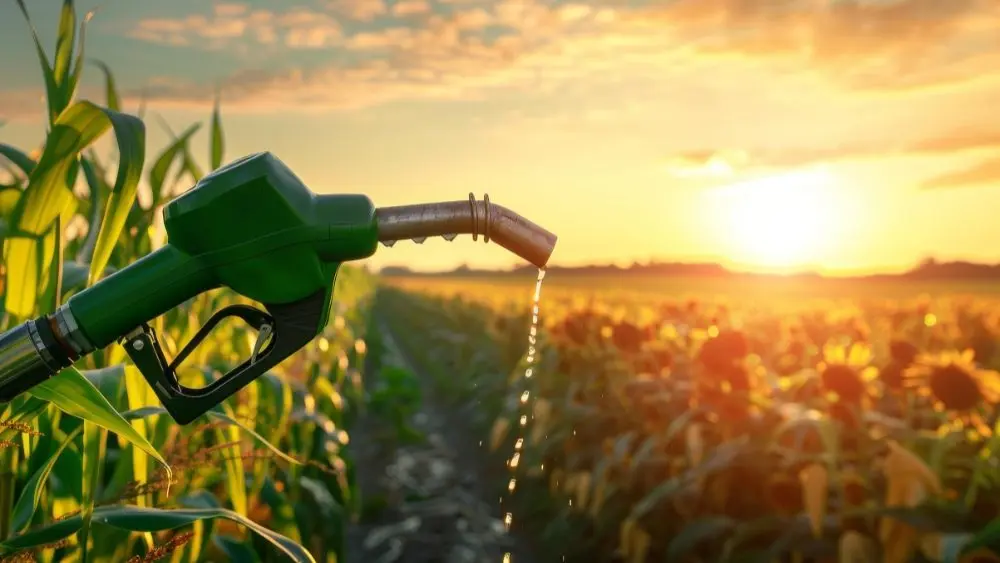
Meanwhile, the House is preparing to consider legislation allowing year-round nationwide sales of E15 gasoline blends containing 15% ethanol. Corn growers and ethanol groups have pushed for permanent E15 access for years, arguing the policy would expand domestic fuel supplies and strengthen corn demand. Oil industry groups have raised concerns about fuel infrastructure compatibility and regulatory impacts.
Farm organizations also are urging lawmakers to address broader economic pressures, including weak commodity prices and higher operating costs during spring planting season. The debate comes as Congress continues negotiations on a long-delayed farm bill that includes commodity programs, conservation funding and nutrition assistance priorities.
SOURCE: NAFB News Service