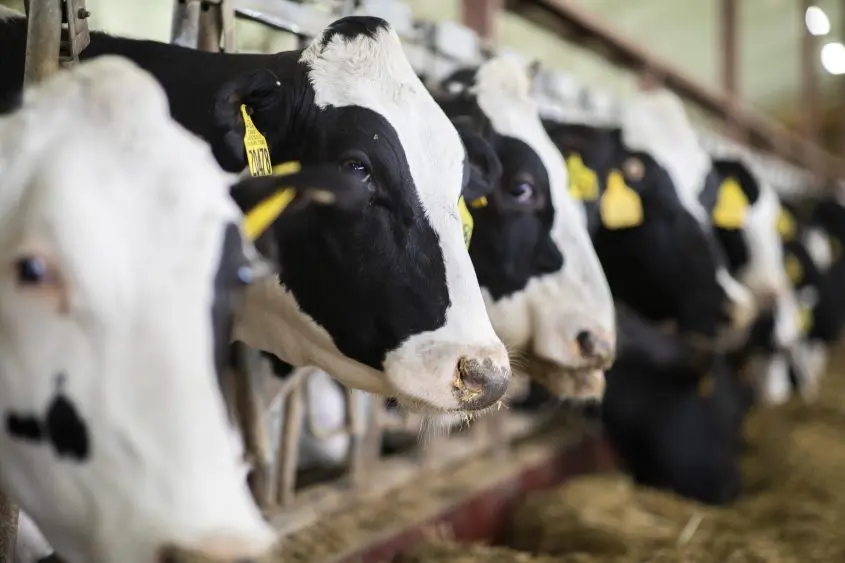
EDEN PRAIRIE, Minn. – May 14, 2026 – The dairy cow is only as efficient as the system that feeds her, and it all starts in the rumen.
“The holy grail of nutrition is to increase efficiency by leveraging the opportunities of the rumen,” says Jeff Tikofsky, dairy technical nutritionist with Zinpro. “Yet rations are often formulated to meet the cow’s requirements without fully optimizing the microbial systems that drive long-term efficiency and performance.”
By better supporting these systems, nutritionists can enhance how cows convert feed into energy and microbial protein. The result is not only improved feed efficiency, but also stronger transition performance, higher peak milk and improved longevity.
Isoacids’ role in the rumen
Research over the last 60 years has revealed a key role for isoacids, or branched-chain volatile fatty acids (BCVFAs), in the maintenance and growth of fibrolytic bacteria. Isoacids are a required nutrient for certain fiber-digesting bacteria in the rumen. Yet historically, their role has been underutilized because nutrition models only considered ammonia nitrogen (N) as the primary source of N to meet the requirements of fibrolytic bacteria.
“The ammonia nitrogen that fiber-digesting bacteria utilize is made more efficient when there are sufficient isoacids available,” Tikofsky explains. Research suggest improved bacterial growth when BCVFAs were supplemented by improving ammonia utilization, protein synthesis and plant cell wall digestibility.1
Improved fiber degradation unlocks more energy from the diet, allowing cows to become more protein- and energy-efficient.
A shift back to rumen-first thinking
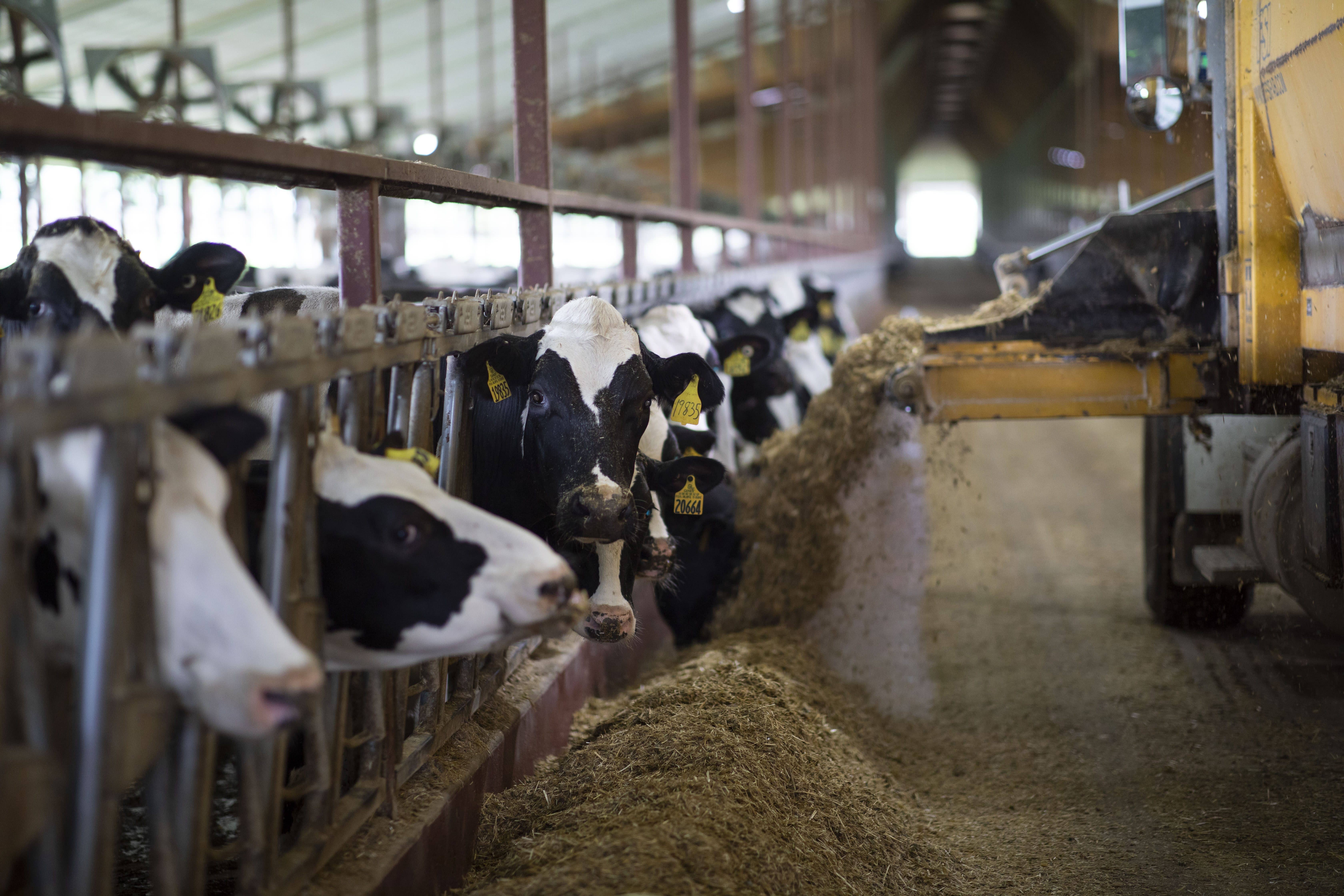
As production demands have increased, many rations have depended more heavily on rumen undegradable protein as an easy way to drive output. However, Tikofsky says supplemental isoacids could offer a more efficient alternative when ruminal BCVFA supply is inadequate.
“Instead of working around the rumen, nutritionists can utilize isoacids to optimize it, supporting the microbial system as it was designed to function,” he says. “We’re asking nutritionists to go back and rely on the rumen as it was designed to work.”
This mindset shift also applies to how nutritionists think about meeting nutrient requirements.
“When formulating rations, nutritionists often think about how to meet the requirements of the animal, but don’t necessarily think about the requirements of the rumen bacteria,” notes Tikofsky. “It’s important to remember to feed those bacteria.”
Efficiency is the real opportunity
Forage availability remains tight in many regions, so maximizing feed efficiency is critical. Even small improvements in dry matter intake can have a significant impact.
“I’ve been amazed by how many farms are short of forage,” says Tikofsky. “Increasing resource efficiency can help. If you can save a pound or a pound and a half of dry matter intake on 5,000 cows, that’s a lot of forage.”
Isoacids help cows better partition nutrients when and where they’re needed most, leading to 2% decreased dry matter intake and 5.5% improved feed efficiency.*
This means you can include more forage and non-forage fiber feedstuffs while making smarter use of feed inputs and fine-tuning diet formulations.
Longevity is the downstream payoff
Unlocking more energy through efficient rumen fiber degradation can also result in improved transition cow performance, peak milk and herd longevity.
Research has demonstrated that BCVFA supplementation increases serum glucose and decreases circulating non-esterified fatty acid levels.2
“Multiple commercial farm trials and my own observations indicate that supporting isoacid requirements can help reduce adverse health events during the transition period, such as ketosis and involuntary culls,” notes Tikofsky.
Better energy efficiency also plays a key role in helping cows improve body weight maintenance during the transition period. Recent research has demonstrated a 24% improvement in body weight maintenance during the transition period with the supplementation of isoacids.4 Field trials have exhibited an improvement in peak milk production by up to 10%, and more effective management of heat stress.*
“Ultimately, reducing cull cows is where these improvements come together,” says Tikofsky. “With current market value of replacement animals now costing around $4,000, keeping cows productive for longer delivers a clear economic return.”
For more insights on how isoacids help unlock greater rumen efficiency, visit zinpro.com/dairy.

About Zinpro
For more than 54 years, Zinpro has improved the health and wellbeing of both animals and people as a pioneer in the research and development of performance trace minerals and innovative nutritional solutions. As a family-owned, privately held company, our steady growth can be attributed to employing a world-class team of experts, manufacturing quality products and our steadfast commitment to helping our customers advance the health and performance of their animals. With products marketed in more than 70 countries worldwide, Zinpro is the global leader in advancing animal performance through greater nutrition and is dedicated to creating smarter practices for a better, more sustainable world. To learn more visit zinpro.com.